
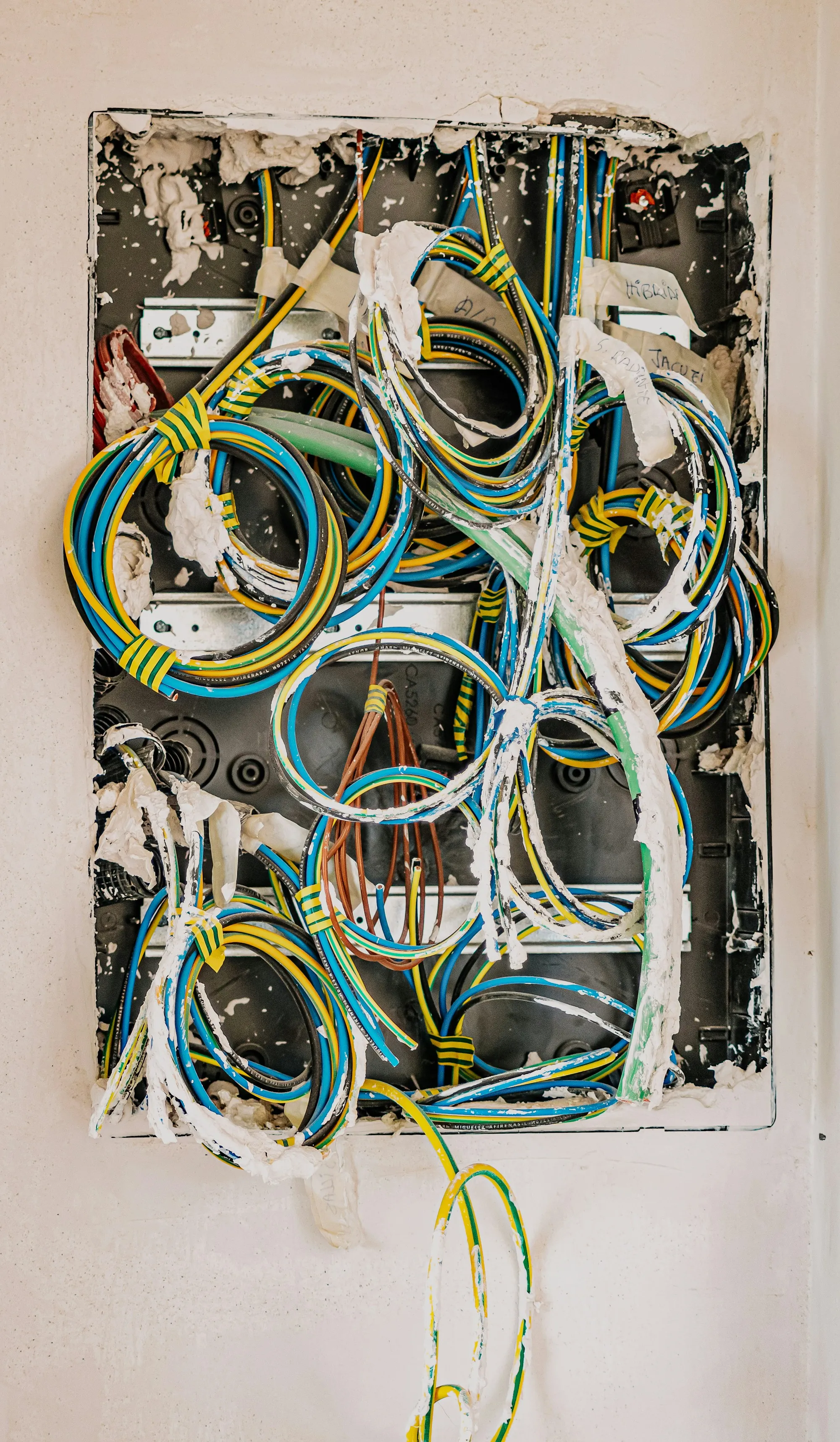
You are not adding solar. You are not changing it. You just need the panels off so the roof can be replaced, then put back exactly where they were. So why would rapid shutdown and electrical code come up at all during a solar reset in Posen?
Because codes move. The rules for rooftop solar have changed several times since many south suburban systems went up, and a reset touches the wiring, the roof penetrations and sometimes the permit file. Most homeowners never hear the phrase “rapid shutdown” until a reset is on the calendar. Here is what it means, why it can surface, and what to ask before the first panel comes down.
What is rapid shutdown?
Rapid shutdown is a safety function that lets the wiring on a rooftop solar array be brought down to a low voltage quickly, so firefighters are not exposed to energized conductors. It exists because a solar panel keeps producing electricity whenever light hits it, even if the house’s main breaker is off.
According to IAEI Magazine, the trade publication of the International Association of Electrical Inspectors, rapid shutdown grew out of firefighter safety. Crews cut into roofs during a fire. A live array above them is a real hazard. The rapid shutdown rules in the National Electrical Code are meant to keep them out of harm’s way.
In practice, homeowners usually see two things: a labeled shutdown switch or disconnect somewhere outside, and a label at the electrical service describing the system. The hardware that does the work sits up on the roof or at the inverter, out of sight.
The same idea shapes how a reset is done. Before anyone unplugs a connector, the system is shut down at its disconnects. Even then, a careful crew treats the panels as capable of producing power, because daylight keeps them generating. That is why the electrical shutdown is the first step of a detach, not an afterthought, and why the reconnection at the end is checked before the system goes back into service.
How the rules changed over time
The rapid shutdown requirements have changed with nearly every edition of the National Electrical Code. IAEI Magazine lays out the history:
- The 2014 NEC introduced rapid shutdown for PV systems on buildings, with limits on certain conductors within a set time after shutdown.
- The 2017 NEC defined an “array boundary” one foot from the array in all directions, required conductors outside that boundary to drop to 30 volts within 30 seconds, and added a limit for conductors inside the boundary that took effect at the start of 2019.
- The 2020 NEC added the option of a listed PV hazard control system, tested to a UL standard written for that purpose.
The upshot for a homeowner: a system installed a while ago may have been designed to an earlier set of rules than the ones in a current code book. That is not a defect. It was legal when it went in. But it is the reason the question comes up during a reset.
Why a reset can bring code back into the picture
A reset can bring code questions back because it is more than lifting panels and setting them down. The system is shut down and disconnected. Panels, racking and conduit come off. New mounts are installed in the new roof, wiring is reconnected and the system is tested before it goes back into service.
Some of that work can require a permit or an inspection, depending on the town. When an inspector looks at the job, the question becomes which rules apply to the reinstalled system: the ones in force when it was first installed, or the ones the town enforces now. There is no single answer that covers every town. It is a call made by the local building department, sometimes called the authority having jurisdiction.
In some places, putting the same equipment back in the same spots is treated as restoring the existing system. In others, the reconnection is reviewed against current requirements. That difference matters. It can affect what work is in scope.
What Posen’s code adoption tells you
Posen sets its own building rules, and the village spells them out. The Village of Posen Building Department lists the codes it follows with local amendments: 2024 editions of the International Building Code and International Residential Code, along with the 2012 Chicago Electric Code and the 2014 Illinois Plumbing Code. The same page says village ordinances require a building permit for all new construction and remodeling.
Two things follow from that. First, the electrical code Posen lists is not simply the latest national edition, so do not assume the newest NEC language is what an inspector will apply. Second, a reroof plus a solar reset is the kind of job that should be checked with the village before work begins. Ask the Building Department whether the detach and reset needs its own permit or rides with the roofing permit, and whether the reinstalled system will be inspected.
Homeowners in Midlothian, Robbins, Blue Island or Harvey should not assume Posen’s answers apply to them. Each town adopts its own codes and amendments.
Questions to ask before the panels come down
The cheapest time to sort out code questions is before the roofer’s tear-off date. Changes discovered halfway through a reset cost time while the roof is open and the system is offline.
Questions for the building department
- Does a solar detach and reset need a permit, and is it separate from the roof permit?
- Will the reinstalled system be inspected, and against which code?
- Are there any requirements specific to rapid shutdown or labeling on a reinstalled system?
Questions for the company doing the reset
- How is the system shut down and disconnected before removal?
- Will the panels go back in their original positions with the original equipment?
- If the village asks for changes, how will that be raised and priced before work starts, not after?
- How is the system tested before the crew leaves?
Things to pull from your own files
- The original solar permit and any inspection records
- The system’s equipment list and wiring diagram, if you have them
- Any lease or service agreement, if the system is leased
If the system is leased, read the agreement and contact the leasing company before scheduling. Many leases have rules about who may remove and reinstall the equipment.
What a reset does not change
A reset is meant to put your existing system back the way it was. The same panels go back up, in the same layout, on new mounts in the new roof. The goal is a working system on a sound roof, not a redesign.
That matters when you hear about code changes. The fact that newer rules exist does not, on its own, mean your system needs new equipment. What matters is what the village requires for your specific job. If something does have to change, you want to know that during the quote, in writing, so it is part of the plan and not a surprise once the panels are already down.
Getting the code answer before the reroof starts
Here is the order that saves the most trouble. Call the Posen Building Department first and ask how a solar detach and reset is permitted and inspected alongside a reroof. Then gather the original solar permit and equipment list, and bring both into the quote conversation so the electrical scope is settled before the tear-off date. If the village says the reinstalled system will be reviewed against current rules, make sure the company doing the work knows that up front.
When you are ready to plan it, our solar panel detach and reset page explains how the shutdown, removal, storage and reinstallation fit together, and roof replacement under solar panels covers the roof side. Solar Panel Removal Posen can help you line it all up, and the homepage has more about how we work.